
Weather in the Philippines: When is the Best Time to Study for International Students?
Introduction
Choosing the right country to study abroad isn’t just about tuition fees, school rankings, or visa requirements — weather plays a major role in your daily comfort and overall study experience. Climate affects everything from your energy levels and transportation to how you socialize, travel, and stay motivated during long study weeks.
For many international learners, understanding Weather in the Philippines is an essential part of planning a successful study-abroad experience. The Philippines has become one of the world’s top destinations for international students, especially those studying English. Affordable ESL programs, friendly communities, and an immersive learning environment make studying in the Philippines an attractive option for students from all over the world.
Still, one important question remains:
What is the weather really like in the Philippines for students?
This complete guide explains Weather in the Philippines from a student-focused perspective, covering climate patterns, seasons, and monthly conditions so you can choose the best time to study, prepare properly, and feel confident before you arrive.
Understanding the Climate of the Philippines
The Philippines has a tropical climate shaped by its geographic location and long-term weather patterns. When people talk about Weather in the Philippines, they usually refer to warm temperatures year-round, high humidity, and seasonal rainfall rather than dramatic temperature changes, as commonly explained in overviews of the tropical climate of the Philippines.
Average temperatures typically range between 25°C and 32°C, and instead of four seasons, students experience two main ones: dry and rainy. Understanding this structure helps international students adapt faster and plan daily routines more effectively.
How the Philippine Climate Affects Student Life
Weather directly influences daily routines such as transportation, accommodation comfort, and social life for international students. Heat and humidity can affect energy levels at first, but most students adapt quickly by adjusting schedules and daily habits.
This climate also shapes student life in the Philippines, where many ESL schools schedule classes earlier in the day, leaving afternoons free for self-study, social interaction, or practical English use in real-life situations.
Philippines Weather Seasons Explained
Instead of four seasons, the Philippines has two main weather seasons that affect study plans and lifestyle choices.
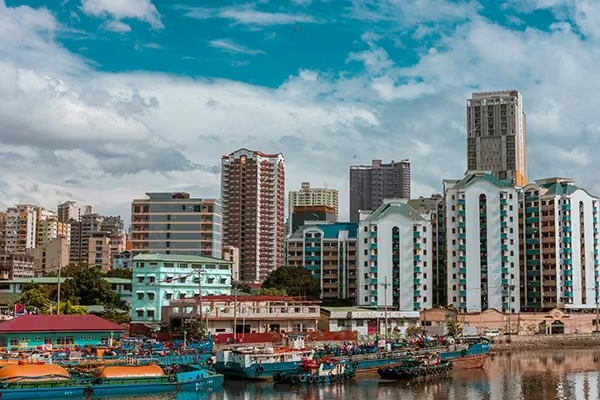
Dry Season (November to May)
The dry season is widely considered the most comfortable time of year. Rainfall is low, skies are clearer, and transportation is more reliable. This period is especially popular with first-time international students.
The dry season also coincides with many of the country’s most vibrant cultural celebrations, giving students the chance to experience local traditions through Philippines festivals while practicing English in social settings.
Rainy Season (June to October)
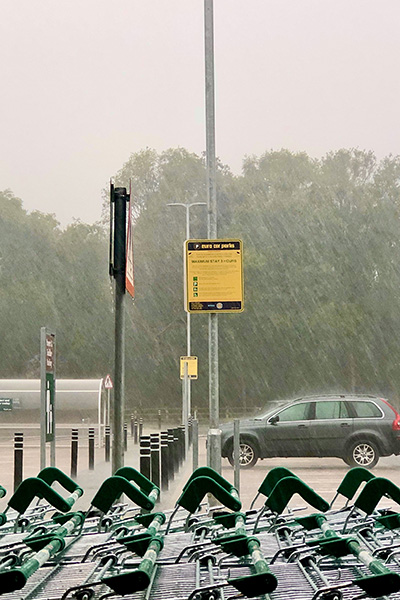
The rainy season brings higher humidity and more frequent rain showers, though rainfall is often short and predictable rather than constant, as noted by many travel guides.
During this period, many students also benefit from lower expenses, as accommodation and transportation costs tend to be more affordable — an important factor when considering the cost of living in the Philippines for students.
Dry Season in the Philippines: Is It the Best Time for Students?
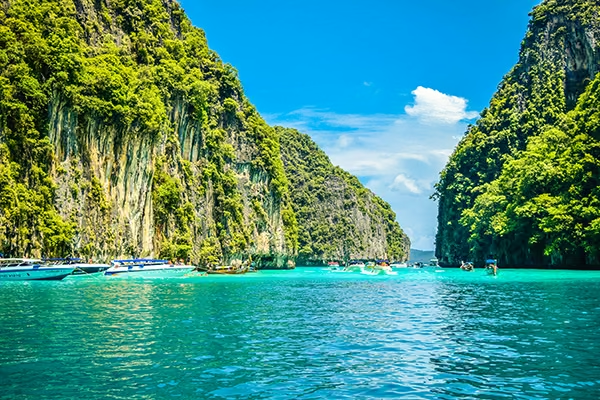
For many international learners, the dry season offers an easier transition into life abroad. Outdoor activities, weekend trips, and daily routines are easier to plan, making it ideal for students who want a balance between study and exploration.
Advantages
Stable and comfortable weather
High student social activity
Easier travel between cities and islands
Possible Downsides
Higher demand for accommodation
Slightly higher living costs
More tourists in popular areas
Monthly Weather Guide in the Philippines
January to March is generally cooler and drier, while April and May are the hottest months. From June to October, rainfall increases, and November to December marks a pleasant transition back to drier conditions.
Best Time to Study in the Philippines Based on Weather
There is no single perfect season for everyone. The best time depends on your goals, budget, and comfort preferences. For many students, aligning study plans with Weather in the Philippines helps balance academic focus, travel opportunities, and overall well-being.
Comfort & travel: December to February
Budget & focus: June to October
Cultural experience: November to January
Student-focused recommendations found in student travel guides often suggest choosing dates that match both climate comfort and learning priorities.
Typhoon Season in the Philippines: Should You Worry?
Typhoons usually occur between July and October, but their impact varies by region, as explained in general climate overviews of typhoons in the Philippines. Major ESL cities are well-prepared, and serious disruptions are rare.
In practice, typhoons are closely monitored, classes are adjusted when necessary, and safety always comes first. Most students experience them as short periods of heavy rain rather than dangerous events, and daily life quickly returns to normal. For international students, this means studying in a safe, organized environment with clear communication and reliable support.
What to Wear and Pack for Philippines Weather
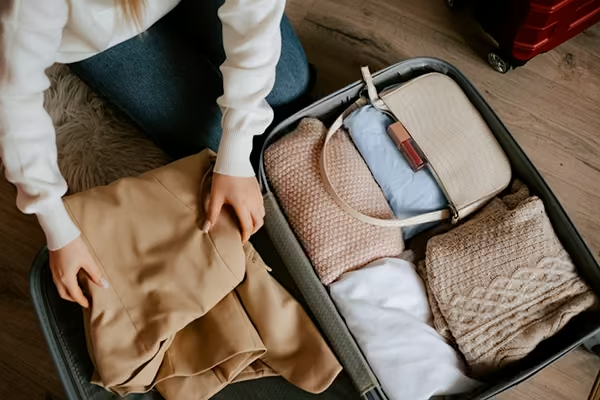
Because Weather in the Philippines is generally warm and humid, students should pack lightweight, breathable clothing that stays comfortable throughout the day. Comfortable walking shoes, sandals, and casual outfits are ideal for classes, daily errands, and social activities. Since sudden rain showers are common, especially during certain months, bringing a compact umbrella or a light rain jacket is also a smart choice.
A few practical essentials can make student life much easier, including sunscreen, a reusable water bottle, and a water-resistant backpack. To avoid overpacking and prepare efficiently, students can follow a complete checklist on what to pack for studying in the Philippines, which offers detailed guidance based on climate and student needs.
Final Tips for International Students
With realistic expectations and proper preparation, adapting to Weather in the Philippines is often quicker and easier than many students anticipate. Once accustomed, most learners discover that the climate actually enhances a relaxed, social, and immersive environment for studying and daily life.
By planning ahead and adjusting routines, students can enjoy both their academic schedule and everyday activities comfortably, making the most of their experience abroad.