Christmas & New Year in the Philippines: A Guide for ESL Students
Introduction
The Philippines is globally known as the country with the longest and most joyful Christmas season. While much of the world begins preparing for the holidays in December, Christmas in the Philippines starts as early as September—filling streets, homes, and shopping malls with lights, music, and warm celebrations that continue well into January.
For international students, especially those who come to study English, this season offers a rare and beautiful opportunity to experience true Filipino hospitality. Christmas in the Philippines isn’t just a holiday; it’s a cultural experience filled with community gatherings, family traditions, late-night feasts, and joyful music everywhere you go. Whether you join a local family for Noche Buena, explore sparkling city displays, or attend school events, the holiday spirit is welcoming and unforgettable.
As the year comes to an end, New Year in the Philippines brings another wave of excitement. Fireworks light up the sky, families prepare special dishes for good luck, and traditions meant to attract prosperity fill the night with energy and meaning. For many students, celebrating New Year in the Philippines becomes one of the most memorable moments of their stay.
This blog will guide you through everything you need to know—from unique Christmas customs and festive foods to the best places to visit and the traditions behind New Year in the Philippines—so you can fully enjoy this magical season during your time in the country.
Why Christmas Is a Big Deal in the Philippines
The Philippines is a predominantly Christian country, so Christmas is not just a holiday—it’s the biggest cultural celebration of the year.
Why ESL students love Christmas in the Philippines
The world’s longest Christmas season
Streets filled with lanterns and colorful lights
Christmas songs everywhere as early as September
Family-centered traditions
Warm and welcoming holiday atmosphere
Countless events in malls, schools, and universities
Filipino Christmas Traditions You Should Know
Parol (The Filipino Christmas Lantern)
The parol—a star-shaped lantern—is the most iconic symbol of Filipino Christmas. You’ll see it in schools, streets, malls, and homes across the country.
Christmas Carols
Groups of children go house to house singing carols in exchange for sweets or coins. It’s one of the most heartwarming Filipino traditions and a great opportunity for students to hear English and Tagalog songs.
Simbang Gabi
“Simbang Gabi” is a 9-day series of early-morning church masses leading up to Christmas Eve.
For schedules and official information, visit the Manila Cathedral.
What Happens on Christmas Eve (December 24)
Noche Buena: The Grand Feast
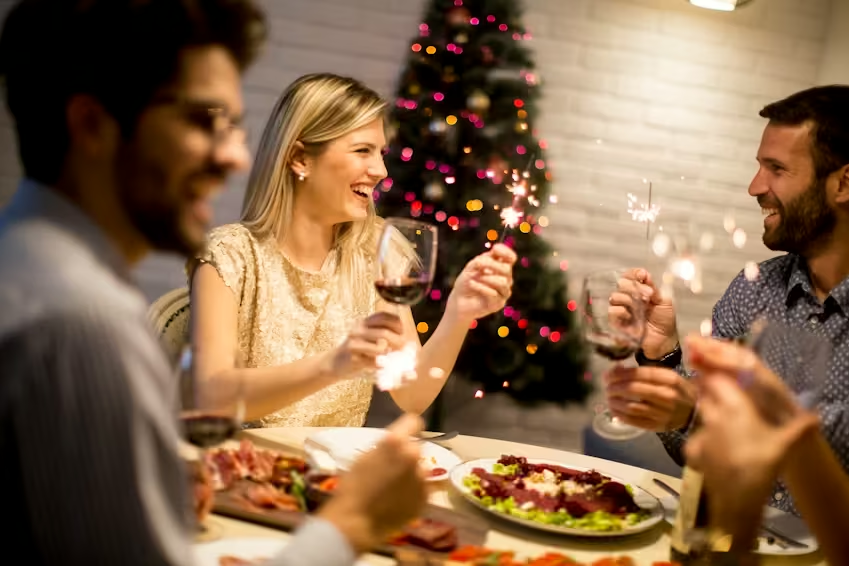
Christmas Eve is all about family gatherings and an extravagant late-night meal called Noche Buena.
Popular Christmas foods include:
Lechon (roast pig)
Hamon (sweet Christmas ham)
Queso de Bola (red-wax cheese ball)
Pancit (noodles)
Bibingka & Puto Bumbong (traditional rice cakes)
For students living in dorms or shared accommodations, it’s very common to be invited to a Filipino family celebration—an amazing opportunity to practice English naturally.
Best Places to Celebrate Christmas in the Philippines
Manila
Manila becomes one of the most exciting and bustling cities for Christmas in the Philippines, with dazzling lights and nightly festivals. It’s a perfect place for shopping, sightseeing, and joining festive events.
To learn more about the lights festival, visit the Ayala Triangle Lights Show official website
Cebu
Cebu is one of the most colorful and lively destinations for Christmas in the Philippines, with streets, malls, and beaches full of festive energy. The city’s warm atmosphere makes celebrations especially memorable for students and travelers.
If you’re interested in exploring more of this city, read our full guide:
Top Tourist Attractions in Cebu for ESL Students
Davao
Davao offers a calmer and more relaxed way to experience Christmas, with community-focused events and peaceful light displays. It’s ideal for students seeking a quieter holiday experience.
Vigan
Vigan becomes especially magical during Christmas, as Spanish-era streets and heritage houses are decorated with beautiful lights. Its historic charm and festive decorations make it one of the most photogenic holiday destinations.
New Year’s Eve in the Philippines (December 31)
Fireworks Everywhere
The sky lights up with spectacular fireworks in every major city during New Year in the Philippines. In Manila, popular spots include the Mall of Asia seaside area, Rizal Park, and local city halls, where locals and tourists gather to celebrate. Fireworks are a key part of welcoming the New Year in the Philippines, creating a festive and joyful atmosphere for everyone.
12 Round Fruits Tradition
Families prepare 12 round fruits to symbolize prosperity and good fortune for the coming year, a tradition influenced by Chinese culture. During New Year in the Philippines, these fruits are displayed on dining tables to invite luck and abundance into the home.
Midnight Noise Tradition
Making noise at midnight is a lively way Filipinos celebrate New Year, believed to drive away bad luck. Expect whistles, horns, and joyful cheers filling the streets as communities ring in the New Year together.
What ESL Students Can Learn During the Holidays
Real-life English Practice
This season is filled with opportunities to interact with locals, practice conversation skills, and learn cultural vocabulary such as:
Festivities
Lanterns
Noche Buena
Caroling
Fireworks
Creating Social Media Content
Christmas lights and festivals provide perfect photography and storytelling material for student content creators.

Tips for International Students During Christmas
Plan early
Travel and accommodation get booked fast during the holidays.
Expect slightly higher prices
Shopping malls and restaurants often increase prices during peak season.
Transportation can get busy
If you plan to travel, book buses or flights in advance.
Bring small gifts
Filipinos love gift-giving—even small chocolates work for Monito–Monita.
If you plan visit Philippines and want to plan your budget better, check out our guide on the cost of living for students in the Philippines.
Conclusion
Christmas and New Year in the Philippines are more than holidays—they’re a cultural and emotional experience unlike anywhere else in the world.
From colorful parols and joyful caroling to fireworks and family traditions, the holiday season offers ESL students:
- Real-life English learning
- Deep cultural immersion
- Warm local friendships
- Memories that last a lifetime
Want to explore more exciting cultural events and celebrations throughout the year? Check out our complete guide to the biggest festivals in the Philippines to plan your next adventure!