Top 10 Philippines Festivals ESL Students Must Experience
The Philippines is one of the most vibrant countries in the world when it comes to festivals. With over 7,000 islands and hundreds of local traditions, almost every city celebrates unique festivals that showcase history, religion, and culture. For ESL students, attending these festivals offers a unique opportunity to practice English, explore Filipino culture, and enjoy local food, music, and dance. Here are the top 10 Philippines festivals you shouldn’t miss.
1. Sinulog Festival (Cebu)
Location: Cebu
Date: Third Sunday of January
Highlights: Traditional dances, colorful costumes, religious ceremonies
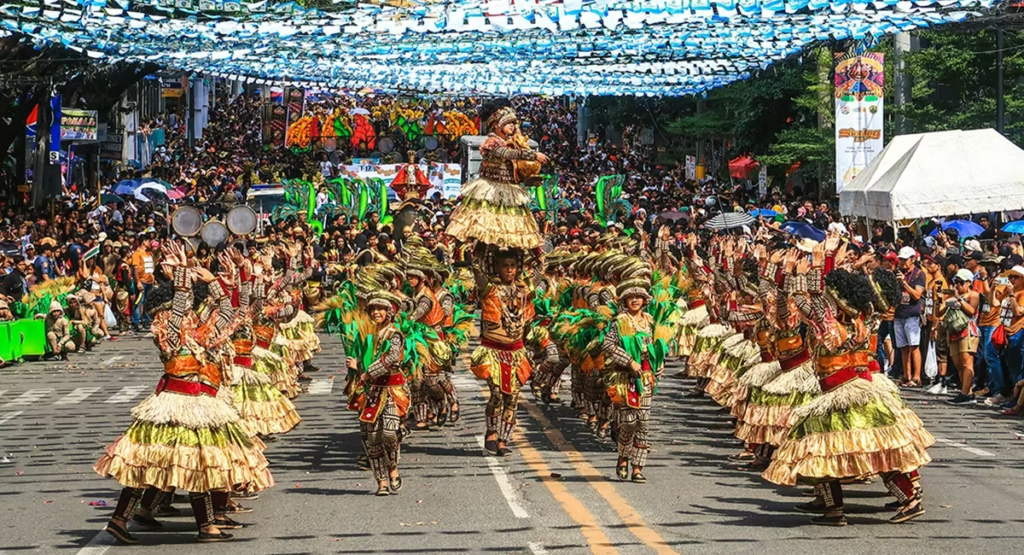
Sinulog Festival celebrates Santo Niño and attracts thousands of local and international visitors each year. Students can experience both cultural immersion and English practice by interacting with locals and joining street parades.
Tip for ESL Students: Wear comfortable shoes and bring a camera. Walking and dancing are major parts of the festival.
2. Ati-Atihan Festival
Location: Kalibo, Aklan
Date: Second Sunday of January
Highlights: Tribal dances, face painting, energetic music
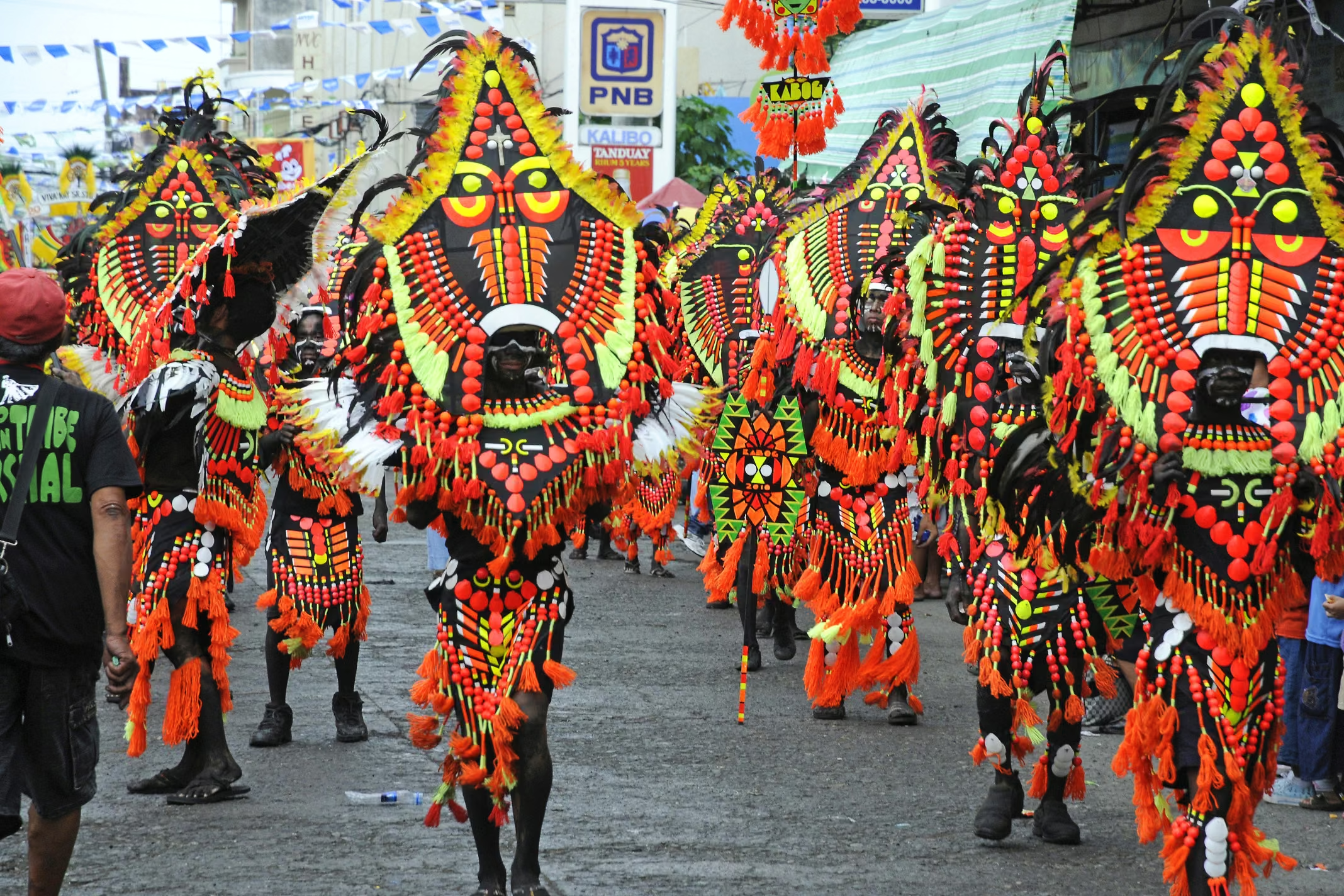
Ati-Atihan is one of the oldest festivals in the Philippines, inspired by indigenous traditions. Participants paint their faces black and dance in the streets.
Tip for ESL Students: Join local dancers for a truly immersive experience.
3. Panagbenga Festival
Location: Baguio City, Benguet
Date: February
Highlights: Flower floats, street performances, crafts
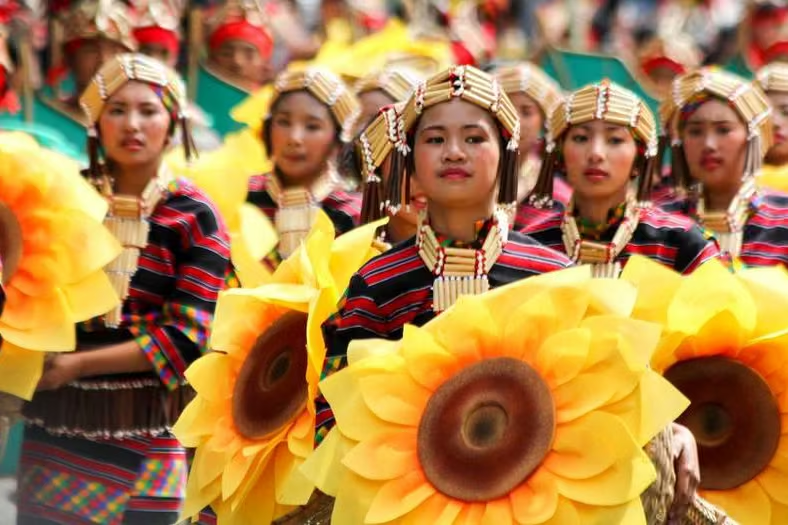
Also called the Flower Festival, Panagbenga celebrates spring with colorful floats. ESL students can interact with locals, learn vocabulary about nature and art, and enjoy the festive environment.
4. MassKara Festival
Location: Bacolod City, Negros Occidental
Date: Every October (usually the third weekend)
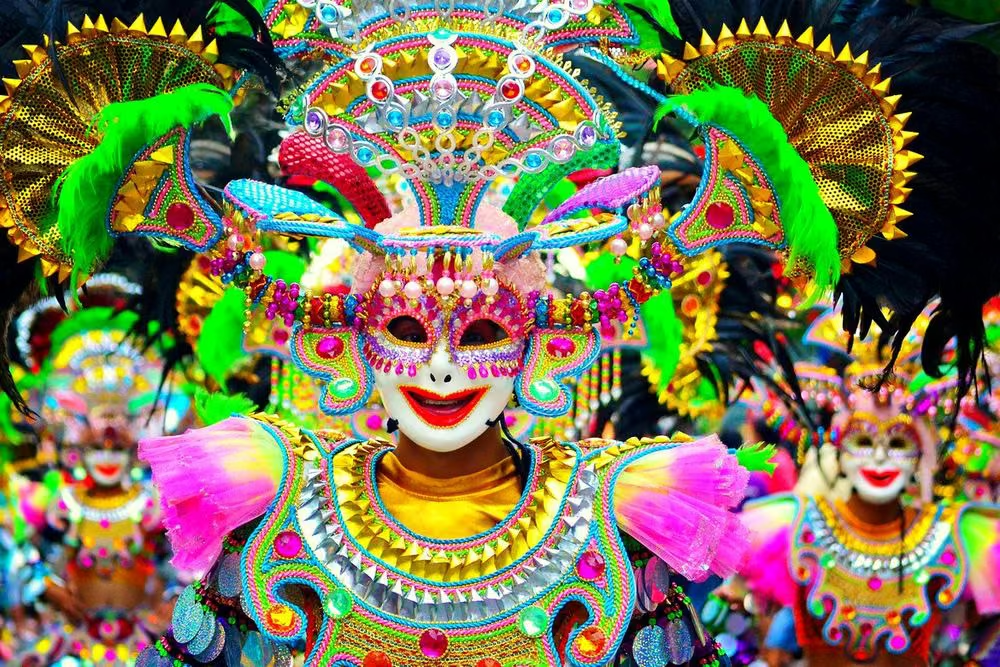
Highlights: Colorful masks, street dancing, live music
The festival reflects the cheerful spirit of the people. ESL students can enjoy observing social interactions and music while practicing conversation skills with locals.
5. Kadayawan Festival
Location: Davao City, Davao del Sur
Date: Third week of August
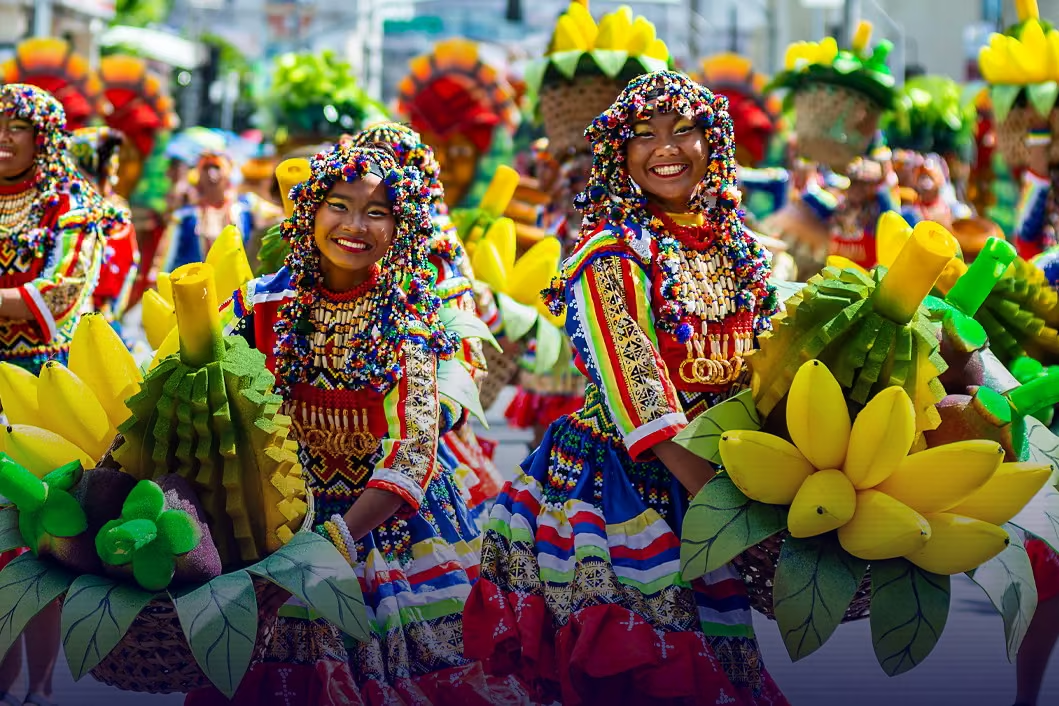
Highlights: Local products, tribal dances, harvest celebrations
Kadayawan Festival honors indigenous traditions and local harvests. ESL students can learn about local farming, cuisine, and culture firsthand.
6. Pahiyas Festival
Location: Lucban, Quezon
Date: May 15
Highlights: Decorated houses, colorful parades, traditional food
Pahiyas Festival celebrates agriculture and thanksgiving. Decorated houses and local markets provide ESL students with opportunities to learn about culture, crafts, and food-related vocabulary.
7. Loboc River Festival
Location: Loboc, Bohol
Date: June
Highlights: River parades, local music, riverside cuisine
Held along the Loboc River, this festival includes boat rides and traditional performances. ESL students can explore culture and nature simultaneously.
8. T’nalak Festival
Location: Koronadal City, South Cotabato
Date: July 16–18
Highlights: Traditional textiles, music, cultural ceremonies
T’nalak Festival celebrates indigenous weaving traditions. ESL students can interact with artisans, learning both language and local heritage.
9. Dinagyang Festival
Location: Iloilo City, Iloilo
Date: Fourth Sunday of January
Highlights: Religious dances, energetic parades, live music
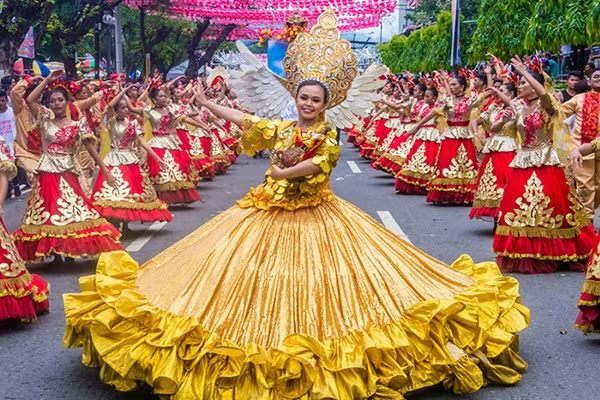
Dinagyang honors Santo Niño with parades and street dances. ESL students can experience religious culture while practicing conversational English.
10. Pintados-Kasadyaan Festival
Date: June 29 (celebration often lasts several days around this date)
Highlights: Indigenous dances, music, body art
This festival showcases tribal traditions and body painting. ESL students can engage with performers to learn about culture and local vocabulary.
For official and up-to-date details on Philippines festivals, check the Tourism Promotions Board’s official festival calendar.
What Food Means During Philippines Festivals
Food isn’t just a part of Filipino festivals—it’s the heart and soul of the celebration. Each dish tells a story of history, tradition, and community spirit. From the crispy, flavorful Lechon (roast pig) to sweet treats like Kalesa and the freshest tropical fruits, every festival offers a feast for the senses. For ESL students, it’s not only a chance to taste amazing local cuisine but also to learn food-related vocabulary, discover cooking techniques, and engage with the culture firsthand.
Don’t miss the vibrant street food stalls and bustling local markets—they make the festival experience truly immersive and unforgettable.
🍴 Ready to explore more Filipino flavors? Check out our full guide to Philippine foods and start your culinary adventure today!
Why Festivals Are Perfect for ESL Students
Philippines festivals are ideal for ESL students to practice English in real-life situations. Street parades, market interactions, and local conversations provide natural opportunities to improve speaking and listening skills. Students can also learn about history, dance, music, and religion while building intercultural confidence.
Best Cities to Experience Philippine Festivals
Some of the best cities for experiencing Philippines festivals include:
Cebu: Home of the Sinulog Festival
Bacolod: Host of MassKara Festival
Baguio: Panagbenga, the Flower Festival
Iloilo: Dinagyang Festival
These cities combine vibrant culture with accessible festival activities, perfect for ESL immersion. Explore these Best Cities to Visit in the Philippines and discover what makes them festival hotspots
Understanding Filipino Culture
Filipino culture is a vibrant blend of traditions, values, and community spirit that shines through in every festival. People in the Philippines are known for their warm hospitality, strong family ties, and deep respect for traditions, which make every celebration feel personal and inclusive. Whether it’s sharing food with neighbors, joining street dances, or participating in religious ceremonies, visitors quickly notice how deeply Filipinos value connection and community. For ESL students, understanding these cultural nuances can make festival experiences more meaningful and immersive.
Want to dive deeper into Filipino culture? Explore our full guide to Filipino culture here and learn what makes the Philippines truly unique.
Safety Tips During Philippines Festivals
To ensure a fun and safe experience:
Stay in groups: Festivals are crowded, so being with friends is safer.
Protect your belongings: Keep bags and valuables secure.
Wear comfortable clothes and shoes: Walking and dancing are common.
Stay hydrated: Festivals often take place outdoors under the sun.
Respect traditions: Observe religious and cultural practices respectfully.
Following these tips helps ESL students enjoy festivals safely while fully experiencing Filipino culture.
Conclusion
Philippines festivals are more than just colorful parades and lively music—they are a gateway to understanding the country’s rich culture, traditions, and history. For ESL students, attending these festivals provides a unique opportunity to practice English in real-life situations, engage with locals, and immerse themselves in unforgettable cultural experiences. From the vibrant dances of Sinulog to the flower-filled streets of Panagbenga, each festival offers a distinctive story and memory. By exploring these top 10 Philippines festivals, students not only gain language skills but also develop a deeper appreciation for Filipino culture, food, and community spirit.
Attending these festivals safely, respectfully, and with an open mind ensures a rewarding experience that goes beyond the classroom—turning every moment into a lesson in language, culture, and life.